Rock Solid Shoulders: The Blueprint
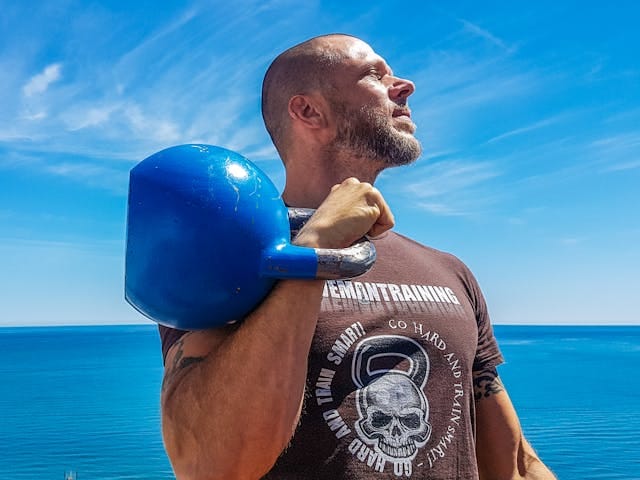
This is the fourth in a series of articles where I break down the best exercises for each muscle group.
These articles are to help beginners get the most out of their workouts. You’ll learn which exercises to do, how to structure them, and the correct form to use.
Today, we’re covering that group that connects your arms to your body: shoulders.
The Benefits of Training Shoulders Include:
- Wider Frame - Training shoulders helps give you that V-taper by broadening your upper body.
- Better Posture - Shoulder training works the muscles that hold you upright, giving you a more confident stance.
- Balanced Look - Broad shoulders complement the chest and back while helping to prevent the slouched-over look.
- Increased Power - Most upper body lifts, whether they’re pushing or pulling movements, rely heavily on the strength of your shoulders.
- Athletic Performance - Whether you’re throwing, punching, swimming, or climbing - all of these motions rely on your shoulder strength and stability.
- Injury Prevention and Joint Stability - Your shoulder is the most mobile, and vulnerable, joint in your body. A strong shoulder lessens the work being done by stabilizer muscles, like the traps and rotator cuffs. This keeps them resilient against injuries like dislocations and strains.
- Functional Strength - Everyday movements like carrying groceries, moving furniture or picking up objects rely on strong, healthy shoulders. Regular training makes these routine tasks safer and easier.
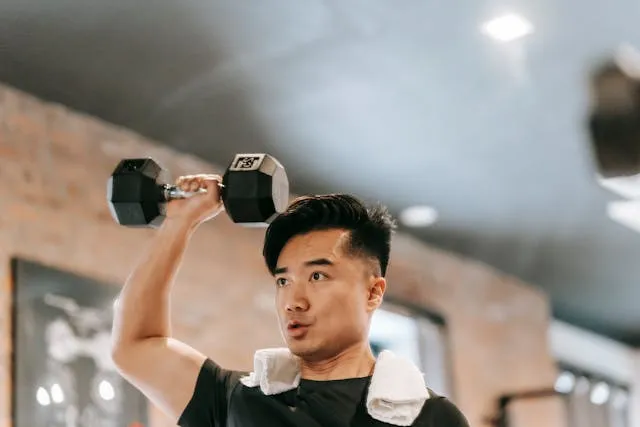
How Do I Train Shoulders?
Training shoulders is slightly different from other muscle groups due to it being a rotational joint that is more prone to injury.
You want to find that balance between activating your muscles and working them to exhaustion without risking serious injury.
Because of this, I train shoulders with both heavy and light weights.
The exercise I’m doing will decide if I can load the weight up and push my limits, or if I keep the weight lighter and focus more on form.
There are some popular shoulder exercises I do not perform due to their increased risk of injury. We’ll go over them later.
That said, if you’re training shoulders and feel a sharp pain - stop the exercise and either lower the weight or find a different exercise.
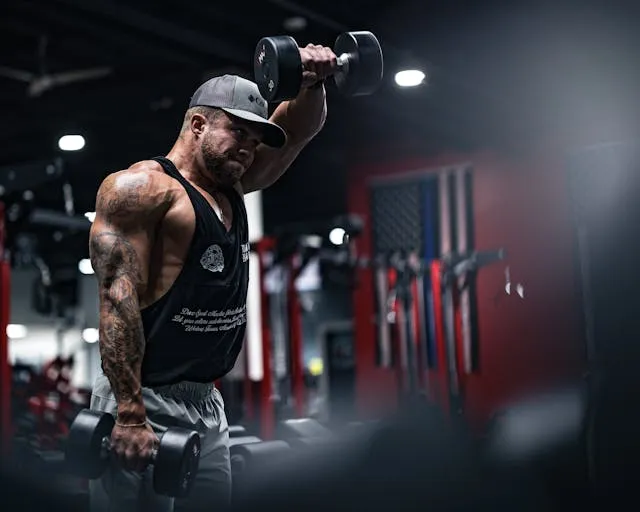
Your shoulder muscles are made up of the three main heads of the deltoid muscle. You want to target all of them throughout your workout.
The three heads are:
- Front Head (Anterior Deltoid) - Located at the front of your shoulder. It raises the arm forwards and assists with pressing movements like the bench press.
- Side/Middle Head (Lateral Deltoid) - Located on the side of your shoulders. It helps you raise your shoulder out to the side and gives shoulders their width.
- Rear Head (Posterior Deltoid) - Located at the back of your shoulders. They help to pull your shoulders back. These muscles are important for good posture and balancing your chest and back.
Most people spend too much time targeting the front head of the shoulders and neglect the other parts. Try not to fall into that trap.
I train my shoulders the same day as arms. Some people have a dedicated day for training shoulders, but most people train them on the same day as chest, or on their push day.
Pick the method that works best for you.
A few additional reminders about training shoulders:
- Form is more important than lifting heavy, especially when it comes to shoulders. Start with the lightest weight and work your way up.
- Train your shoulders at least once per week. Twice is better.
- There are many exercises for your shoulders, and you’re trying to hit each of the three heads of the deltoid muscles. Supersets are an efficient use of your time, but only superset raises and isolation work - not heavy presses.
- Lift until failure, but pay greater attention to form with each exercise. Once your muscles are fatigued, continuing to lift increases your chance of injury. Failure is when your form begins to suffer - not when your arms give out.
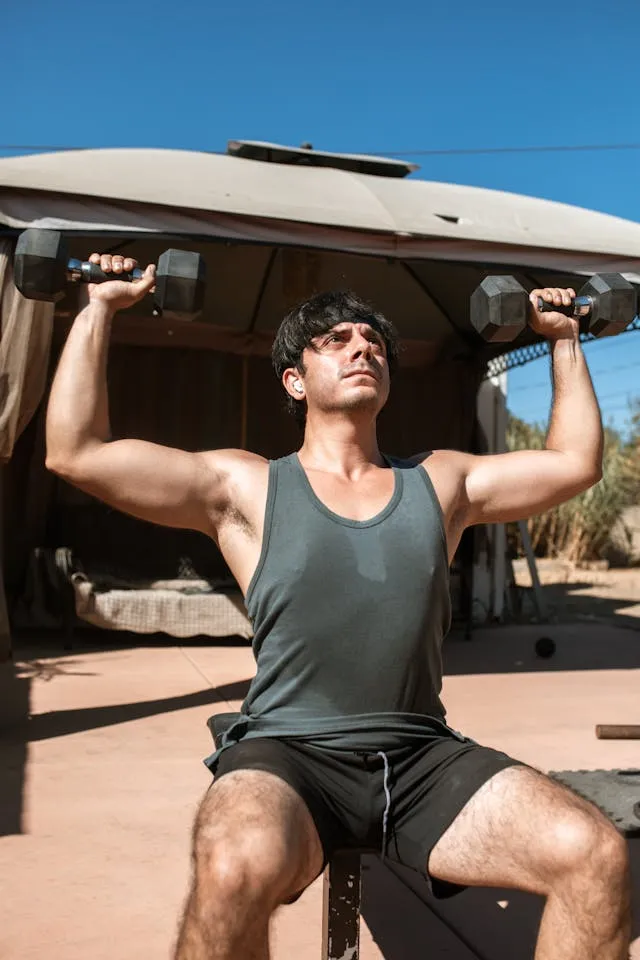
Which Exercises Should I Do?
Like other muscle groups, I’ll have a main lift that I start with to hit the biggest parts of the muscle. Then I’ll add accessory lifts to target different parts of the muscle group.
And when it comes to my shoulder workouts, the main lift I focus on is:
Military Press - This lift is the cornerstone of my shoulder workout. It engages the anterior and lateral deltoids while also engaging the traps, triceps and core.
While standing in a squat rack, set the bar at upper chest height.
Grip the barbell slightly wider than shoulder-width, brace your core, and push the bar straight-up overhead until your arms lock out.
Then slowly lower it back to chest level.
Keep your torso tall, and avoid arching your lower back.
Because you’re pressing from a standing position, you have your entire body to help stabilize the movement.
This exercise can also be done seated if your gym has the equipment, however, I prefer to stand.
This is one lift where you can go heavy with the weight. Just be sure to maintain your form and posture.
I do this lift every shoulder workout. If you only have time for one exercise, this is the one I would pick.
Arnold Press - Named after Arnold himself. This exercise combines a rotation with a press.
Start with holding the dumbbells in front of your chest, palms facing you. As you press up, rotate the wrists so that the palms are facing outward at the top of the movement.
The twisting increases the range of motion, keeping tension on the anterior deltoids, lateral deltoids, as well as the triceps and upper chest.
This is great as an addition or alternative to the military press for building strong, well-rounded shoulders.
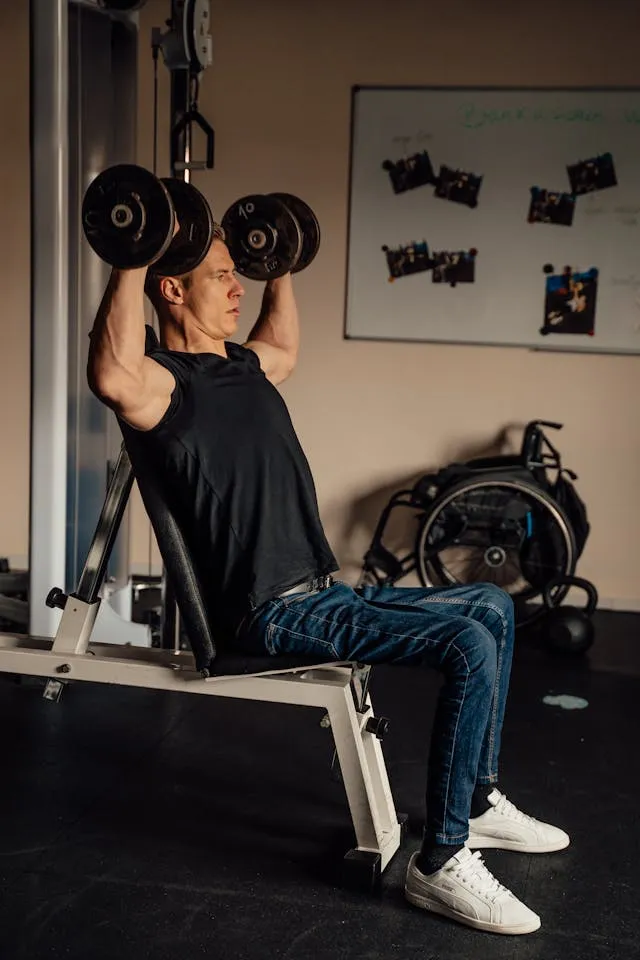
Overhead Dumbbell Press - This can be done seated or standing. It’s a good substitute if you find the military press uncomfortable, as your wrists have more freedom of movement.
Hold dumbbells with the palms facing away at shoulder height with bent elbows. Then push the weights straight up until you lock your elbows, followed by slowly lowering the dumbbells in a controlled manner to the starting position.
Landmine Press - This is a great exercise for people with shoulder pain, and it blends pressing with core stability.
This press uses a barbell anchored at one end. You press at an angle, which is easier on the shoulders than pressing straight overhead.
Front Raise - This is a great isolation exercise for the front deltoid.
While holding a dumbbell at your side, keeping your arm straight or with a slight bend in the elbow, raise the dumbbell forward to shoulder level. Then slowly lower it back down.
This is an exercise where you want to use a lighter weight. You can also use a cable pulley instead of dumbbells, as it provides tension throughout the entire movement.
Lateral Raise - This is just like the front raise, except you’re raising your arms out to the side rather than in front of you, hitting the lateral deltoids.
Hold the dumbbells at your sides with a slight bend in the elbows. Lead with the elbows as you raise the dumbbells to about shoulder height. Pause, then slowly lower.
Focus on control rather than using momentum, and don’t raise the dumbbells higher than your shoulder.
Like the front raise, you’re better off using a light weight instead of a heavy one, and you can get better tension on the muscle with a cable pulley instead of a dumbbell.
Face Pulls - This is a great exercise for hitting the rear delts and helps with overall shoulder mobility.
Simply adjust the cable pulley to face level. Get a rope attachment, and pull the rope towards your forehead keeping your elbows high and wide.
You don’t need to go heavy with this lift. Just choose a weight that’s easy to move, but challenges the muscles without having to strain too much.
Rear Delt Flies - I do bent-over rear delt flies with dumbbells, but they can also be done on a reverse pec deck or rear delt fly machine.
This is another exercise that’s good to do with lighter weights, as the rear deltoids don’t need much to be stimulated.
Shrugs - Would you believe that this exercise doesn’t target your shoulders? They work your traps, which complement your shoulders.
It isn’t an exercise I perform, but they’re popular with many of the guys at my gym.
Shoulder Exercises I Avoid - Or Modify
- Behind The Neck Press - A lot of old-school bodybuilders advocated the behind the neck press as a great way to build their shoulders. I see it as a good way to get injured.
The military press already hits the muscle groups this lift targets without putting your body at risk.
If you choose to attempt it, drop the weight way down - but for the most part, I’d skip it. - Upright Rows - Performing upright rows with a straight barbell causes your shoulders to rotate into an unnatural position, causing strain and increasing your chances of getting hurt.
The first time I attempted it, I got a twinge of pain so bad, I nearly dropped the barbell - and I was using a light weight.
You can either skip this exercise or modify it.
I found that using an EZ curl bar let me change the position of my shoulders depending on where it’s held, so I could perform the exercise more comfortably.
Similarly, if you use dumbbells instead of a barbell, you can angle your shoulders and wrists to any position that feels comfortable. - Almost Every Shoulder Machine - Manufacturers of gym equipment have developed machines that mimic the shoulder press, lateral raise, rear delt fly, and several other shoulder exercises - and almost all of them cause me pain. especially after prolonged use.
Machines lock you into a fixed movement, which means your stabilizer muscles get neglected.
Stick with free weights over machines and you’ll get better results. They’re not worth the convenience - especially when it comes to your shoulders.
Sample Workouts
- Exercise: Number of Sets x Number of Reps
- Take 1 minute rest breaks between each set
- Military presses can be substituted with a press variation (overhead dumbbell press, Arnold press, landmine press, etc)
Quick Workout
- Military Press OR Arnold Press: 5 x 10
Proper Workout
- Military Press: 5 x 8
- SUPERSET #1 Lateral Raise: 5 x 8
- SUPERSET #1 Bent-Over Rear Delt Fly: 5 x 8
- Face Pulls: 4 x 10
Hardcore Workout
- Military Press: 4 x 10
- SUPERSET #1 Arnold Press: 5 x 8
- SUPERSET #1 Lateral Raise: 5 x 8
- SUPERSET #2 Front Raise: 5 x 8
- SUPERSET #2 Bent-Over Rear Delt Fly: 5 x 8
- Face Pulls: 4 x 10
Building your shoulders goes well beyond looks. It helps with posture, joint health, and power.
They can be tricky to train, because they’re easy to hurt, and shoulder injuries take a long time to heal.
Keep your form tight. Hit all three heads of the deltoid. Mix in heavy presses with lighter isolation work and the gains will come.
Stay consistent and patient, and before long, you’ll be walking around with shoulders that complete the rest of your physique.
If you enjoyed this article, bookmark this page and remember to Subscribe - and stay tuned for the next article in this series.
Check out my Substack:
https://crossedstakes.substack.com
And follow me on socials:
Facebook
Twitter
Instagram
Youtube
Thanks for reading.
God Bless.
Member discussion